Generator Installation in East Hampton, Connecticut
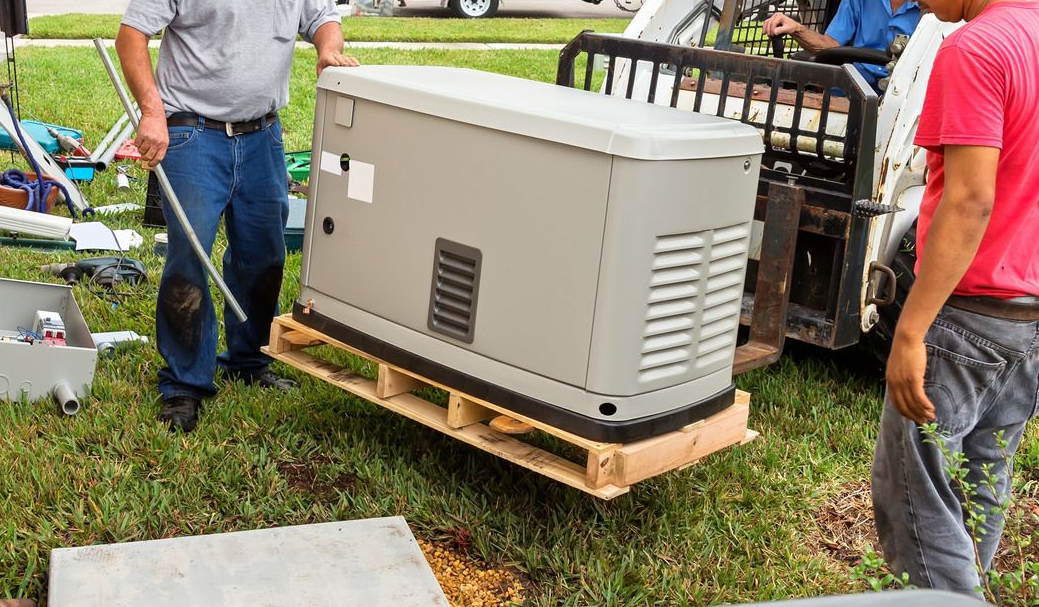
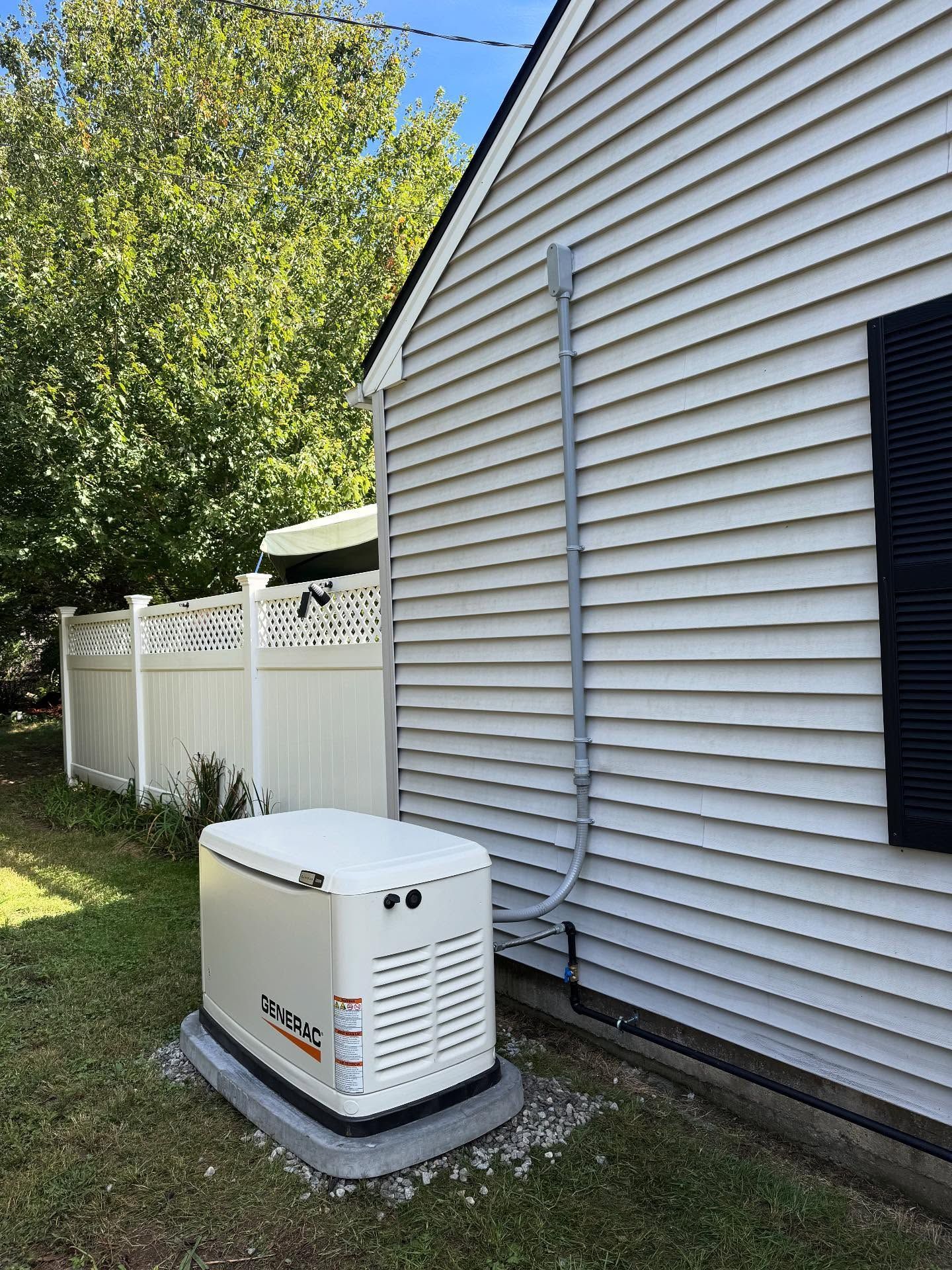
Generator Installation Services Ensuring Reliable Backup Power During Unexpected Electrical Outages
Power outages disrupt comfort, safety, and the flow of daily life, especially in regions where storms, seasonal weather shifts, and grid instability create unpredictability. A generator system is more than backup equipment—it is a dependable safeguard designed to support essential appliances, protect electrical infrastructure, and keep households or businesses operating smoothly during unexpected interruptions.
With 10 years of experience, Shockwave Electric approaches generator installation with precision, planning, and an understanding of how crucial reliable power becomes when the grid fails. Serving in East Hampton, Connecticut, we also offer services in nearby regions such as Marlborough, Colchester, Portland, and Haddam. These communities experience a blend of rural landscapes, lakeside neighborhoods, growing residential pockets, and commercial zones across Middlesex County. Generator installation in these areas requires thoughtful electrical integration, accurate load evaluation, and systems sized appropriately for home or business demand. Whether dealing with seasonal outages, severe weather, or infrastructure limitations, properties throughout this region benefit greatly from dependable generator solutions that deliver continuous, stable power.
Generator installation is not a one-step process; it requires assessing electrical needs, selecting proper equipment, integrating transfer mechanisms, and ensuring compatibility with existing wiring and load requirements. Our approach emphasizes clarity through each stage—evaluating household or commercial priorities, configuring capacity, and providing safe system activation during emergencies. With Shockwave Electric, generator installation becomes a strategic investment in safety, reliability, and long-term electrical protection across East Hampton and its surrounding communities.
Our Generator Installation Services
Generator Sizing and Load Assessment
Proper generator selection begins with evaluating electrical demands. We assess essential circuits, appliance requirements, and power priorities to determine appropriate system capacity. Accurate sizing ensures efficient performance, prevents overload, and delivers stable output during outages without unnecessary strain on the generator or electrical infrastructure.
Backup Generator System Installation
Installation includes mounting equipment, configuring electrical connections, and ensuring safe integration into the property’s existing system. We establish secure pathways for power transfer, verify component compatibility, and confirm operational readiness. Proper installation strengthens reliability, efficiency, and long-term performance of the backup generator.
Automatic Transfer Switch Installation
Automatic transfer switches detect outages instantly and shift power from the grid to the generator. This ensures smooth transitions without manual activation. Proper installation enhances safety, prevents backfeeding, and provides continuous, dependable power restoration that supports both residential and commercial properties during electrical interruptions.
Generator Fuel System Setup
Fuel systems require safe routing, appropriate tank placement, and compliant installation. We plan capacity needs, integrate fuel lines, and ensure compatibility with generator specifications. This setup supports long-term system stability, proper combustion, and consistent generator performance across different load conditions and operational requirements.
Electrical Integration and Circuit Configuration
Integrating a generator requires configuring essential circuits, balancing load distribution, and ensuring safe system transition. We identify priority circuits, evaluate wiring integrity, and align generator output with system requirements. This process supports clean activation, stable operation, and reliable performance during outages or emergency conditions.
System Testing and Performance Verification
Testing ensures the generator activates correctly, supports targeted circuits, and maintains dependable output. We verify transfer switch responsiveness, examine voltage consistency, and simulate outage conditions. Thorough performance checks confirm operational readiness, providing confidence that backup power will function exactly as intended during real outages.
Benefits of Generator Installation
Continuous Power During Outages
Generators provide uninterrupted electricity when the grid fails, ensuring essential systems remain active. This prevents disruptions to heating, refrigeration, medical equipment, security systems, and daily operations. Reliable backup power supports comfort, stability, and safety during extended outages or unexpected grid failures affecting homes or businesses.
Protection for Sensitive Equipment
Stable backup power prevents voltage fluctuations, sudden shutdowns, and electrical surges that can damage appliances, electronics, or critical equipment. A properly sized generator maintains consistent output, reducing risk and extending the lifespan of devices dependent on steady power during storms, outages, or infrastructure disruptions.
Increased Property Resilience
A well-installed generator strengthens a property’s ability to withstand unforeseen outages and severe weather. Continuous operation ensures safety systems, temperature control, and essential utilities remain functional. This resilience enhances confidence, comfort, and preparedness, making properties better equipped to handle emergencies or extended service interruptions.
Enhanced Convenience and Safety
Automatic transfer systems activate generators without manual intervention, providing seamless power restoration. This supports safety by maintaining lighting, alarms, and heating systems. Convenience improves as essential appliances continue operating effortlessly, ensuring households and businesses maintain functionality without interruptions or repeated reset requirements.
Support for Remote Work and Business Operations
Continuous power ensures productivity remains uninterrupted for remote workers, commercial properties, and businesses reliant on technology. Stable electrical supply prevents data loss, operational downtime, or equipment shutdowns. This reliability supports consistent workflow, customer service, and operational efficiency during unpredictable power outages.
Long-Term Cost Efficiency
Generators reduce financial losses caused by spoiled food, damaged electronics, halted business operations, or emergency repairs. Proper installation and routine use extend system lifespan while minimizing maintenance concerns. Over time, dependable backup power provides measurable value, protecting both property and daily operations from outage-related complications.
Providing Dependable Generator Solutions That Maintain Continuity In All Critical Situations
Generator installation strengthens property resilience and ensures uninterrupted operation during emergencies, unpredictable outages, and seasonal weather events. In East Hampton, Connecticut, and nearby regions including Marlborough, Colchester, Haddam, and Portland, reliable backup power supports daily routines, protects essential systems, and ensures safety across homes and businesses.
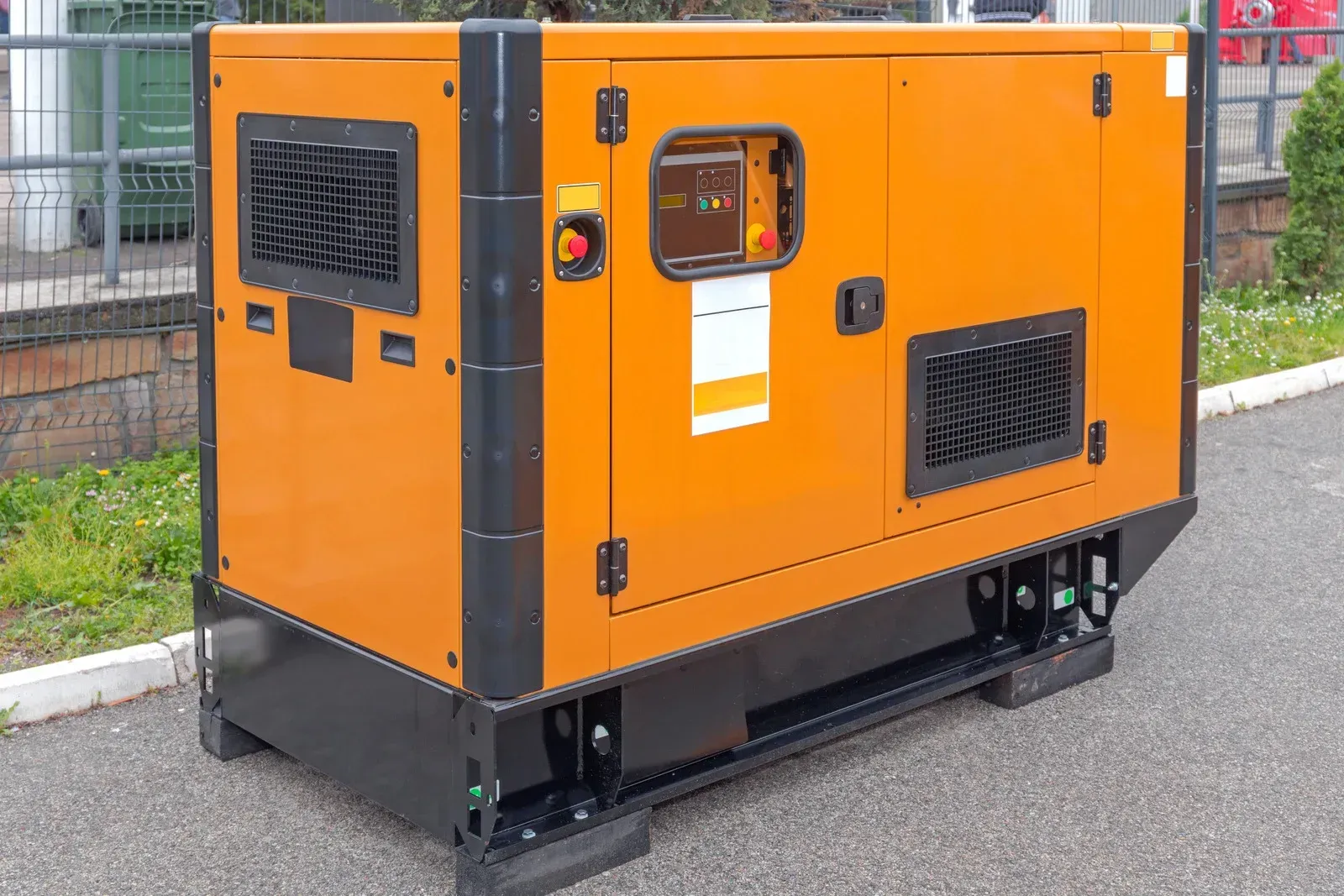
Our generator installation process focuses on accurate assessment, proper configuration, and dependable integration designed to sustain long-term reliability. We build systems that activate seamlessly, operate efficiently, and align with property needs during critical moments. With Shockwave Electric, generator installation becomes a strategic investment in preparedness, operational continuity, and peace of mind. Through thoughtful planning and disciplined workmanship, we provide generator solutions that support stability, safeguard electrical systems, and offer lasting confidence throughout the Connecticut region during unpredictable conditions.
Frequently Asked Questions
How do I know what size generator my property needs?
Generator size depends on essential circuits, appliance wattage, and operational priorities. A load assessment determines the minimum and recommended capacity needed for uninterrupted performance. Proper sizing ensures efficiency, prevents overload, and supports stable operation during outages without undersupplying or overstressing the generator.
What is the purpose of an automatic transfer switch?
An automatic transfer switch detects power loss and redirects electrical flow to the generator automatically. This eliminates manual startup, reduces downtime, and ensures smooth transitions. It also prevents backfeeding, enhances safety, and supports uninterrupted operation during sudden outages by maintaining consistent electrical delivery.
Can a generator power my entire home or business?
Yes, depending on generator capacity. Whole-property units can support all circuits, while smaller systems cover essential loads. A professional evaluation from Shockwave Electric in East Hampton, Connecticut determines wattage needs, priority circuits, and appropriate system size. Proper planning ensures balanced power distribution without risking overload during outages.
How often should generators be tested?
Generators should be tested routinely to ensure readiness. Regular startup checks confirm stable output, proper operation, and functional transfer switching. Scheduled evaluations from Shockwave Electric in East Hampton, Connecticut help identify maintenance needs early, prevent unexpected failures, and ensure dependable generator performance when outages occur and backup power is required most.
What fuel options are available for generators?
Common generator fuels include natural gas, propane, and diesel. Fuel choice depends on availability, system size, and property requirements. Each option offers different benefits such as efficiency, longevity, or low-maintenance operation. A careful evaluation determines the most suitable fuel type for consistent performance and long-term reliability.
Do generators require ventilation?
Yes. Generators produce exhaust and heat that require proper ventilation to ensure safe operation. Placement and airflow must meet safety requirements to prevent buildup of harmful gases. Professional installation ensures ventilation, exhaust routing, and equipment spacing support reliable and safe generator performance across varied conditions.
Can a generator increase property value?
A generator enhances property value by adding resilience, improving safety, and reducing outage-related disruptions. Buyers often appreciate homes or businesses equipped with reliable backup systems. Proper installation ensures long-term functionality, making the generator an attractive and practical feature that supports property appeal and operational reliability.
What maintenance is needed after installation?
Generator maintenance includes checking fuel lines, inspecting connections, testing performance, and replacing worn components. Regular service ensures consistent operation, prevents unexpected failures, and prolongs system lifespan. Maintenance helps verify readiness for emergencies, ensuring dependable performance whenever outages occur.